
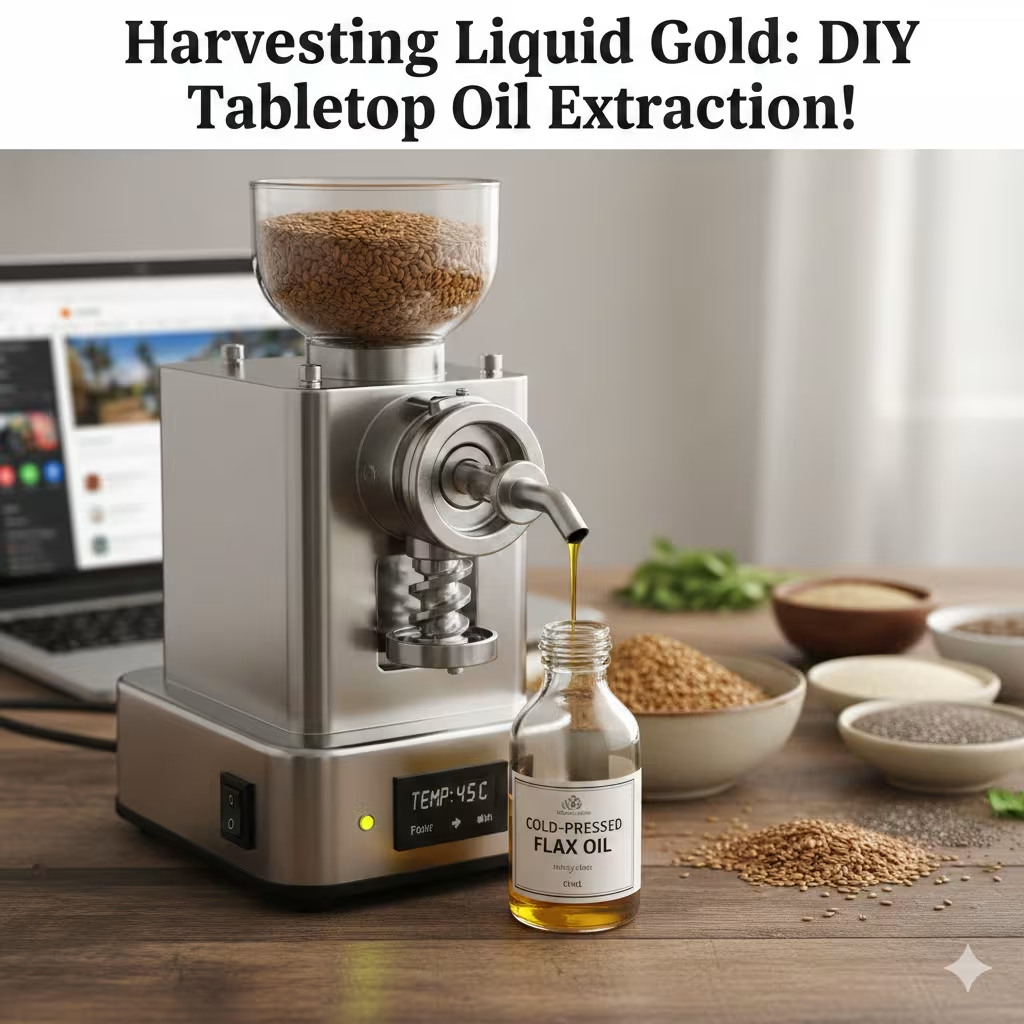
Cooking oils which comes now in the market are refined oil but unrefined oil is actually healthy, so the option is to make oil extraction at home itself. Portable oil extraction machines have shrunk into sleek, countertop-friendly appliances that allow you to press our own organic, cold-pressed oils at home.
Here is everything you need to know about bringing this healthy revolution into your kitchen.
What is a Portable Oil Extraction Machine?
Often called an oil expeller or domestic oil press, these devices use a high-powered screw mechanism to crush seeds and nuts, separating the liquid oil from the solid "oil cake." Unlike commercial oils that often use chemical solvents (like hexane) or high-heat refining, these home machines use mechanical pressure to keep the nutrients intact.
Why Make Your Own Oil?
1. Purity and Peace of Mind
Store-bought oils are frequently "blended" with cheaper vegetable oils or contain preservatives to extend shelf life. When you press it yourself, you have 100% control. For example, if you put in 1 kg of organic peanuts, you get 100% pure peanut oil.
2. Maximum Nutritional Value
Commercial refining often strips away Vitamin E and Omega fatty acids. Home machines typically offer a cold-press setting (maintaining temperatures below 49°C/120°F), ensuring the enzymes and antioxidants remain bioavailable.
3. The "Oil Cake" Bonus
The leftover dry fiber (oil cake) is a nutritional goldmine.
- Peanut/Almond cake: Can be ground into high-protein gluten-free flour.
- Sesame/Sunflower cake: Great for garden compost or high-quality pet feed.
Popular Seeds & Their Yields
Not all seeds are created equal. Depending on the oil content of your raw material, your yield will vary:
How to Use a Home Oil Press
Operating these machines is surprisingly simple, usually involving just a few steps:
- Preparation: Ensure your seeds are bone-dry (meaning no moisture at all). Moisture is the enemy of oil extraction and can cause clogging.
- Pre-heating: Most automatic machines require 5 to 10 minutes of pre-heating the "pressing rod" to help the oil flow more easily.
- Feeding: Pour your seeds into the hopper. Start with a slow, steady feed.
- Sedimentation: Fresh oil will look cloudy at first. Let it sit in a glass jar for 24 hours; the sediment will settle at the bottom, leaving you with crystal-clear oil on top.
Choosing the Right Machine: A Quick Buyer’s Guide
If you're looking to buy your first machine in 2026, keep these specs in mind:
- Material: Insist on 304 Food-Grade Stainless Steel. It is rust-resistant and easy to clean.
- Motor Power: Look for at least 400W to 600W. Lower power might struggle with harder nuts like almonds.
- Continuous Run-Time: Check if the motor can run for 45–60 minutes without needing a "cool down" break.
- Noise Level: Some models sound like a jet engine; look for "low noise" or "brushless motor" options if you live in an apartment.
Final Pro-Tip
Because homemade oil lacks chemical preservatives, it has a shorter shelf life than store-bought versions. Store your fresh oil in dark glass bottles away from direct sunlight and try to consume it within 30 to 45 days for the best flavor and health benefits.